Many business owners spend weeks refining their packaging artwork, reviewing colours, adjusting logos, and perfecting layouts on screen. Once everything looks good on a laptop or monitor, it is easy to assume the packaging is ready for production. However, they are surprised when the final printed box looks different from what they approved digitally.
This issue is especially common for businesses launching custom packaging boxes, product boxes, cosmetic packaging, gift boxes, and die-cut packaging. Colours may appear darker, materials may feel different from what was expected, and the overall presentation may not create the impression the business originally envisioned. These differences often become apparent only after the first batch has been printed and assembled.
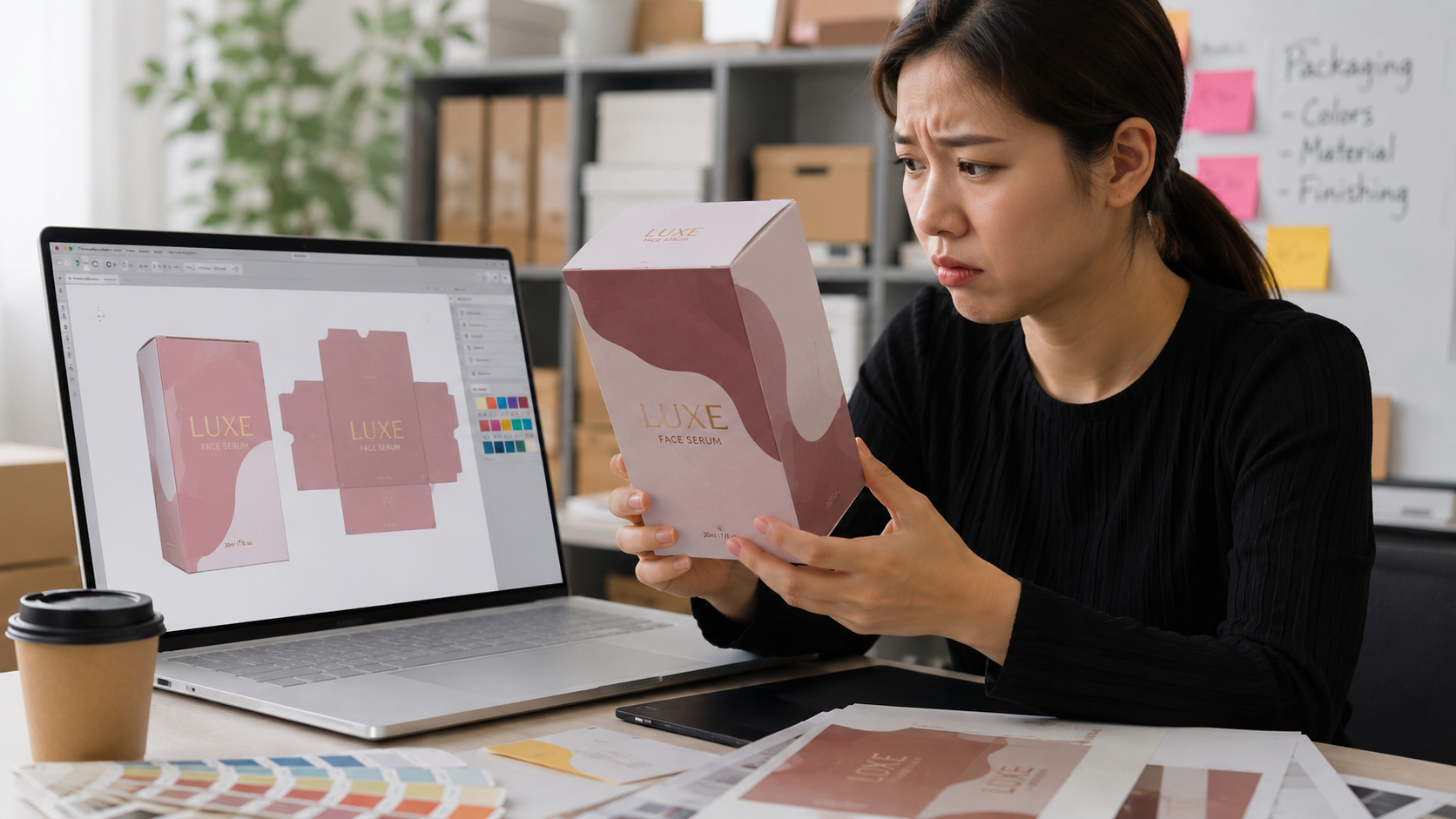
The reason this happens is simple. Packaging exists in two different stages before production. The first is the digital stage, where businesses review artwork, branding, colours, and layouts on screen. The second is the physical stage, where the packaging is printed, folded, assembled, and used in real-world conditions. This is why both digital and physical mockups play an important role before actual production. Each serves a different purpose, and together they help businesses avoid costly surprises while ensuring their packaging design effectively represents their brand.
Why Your Packaging Looks Different After Printing
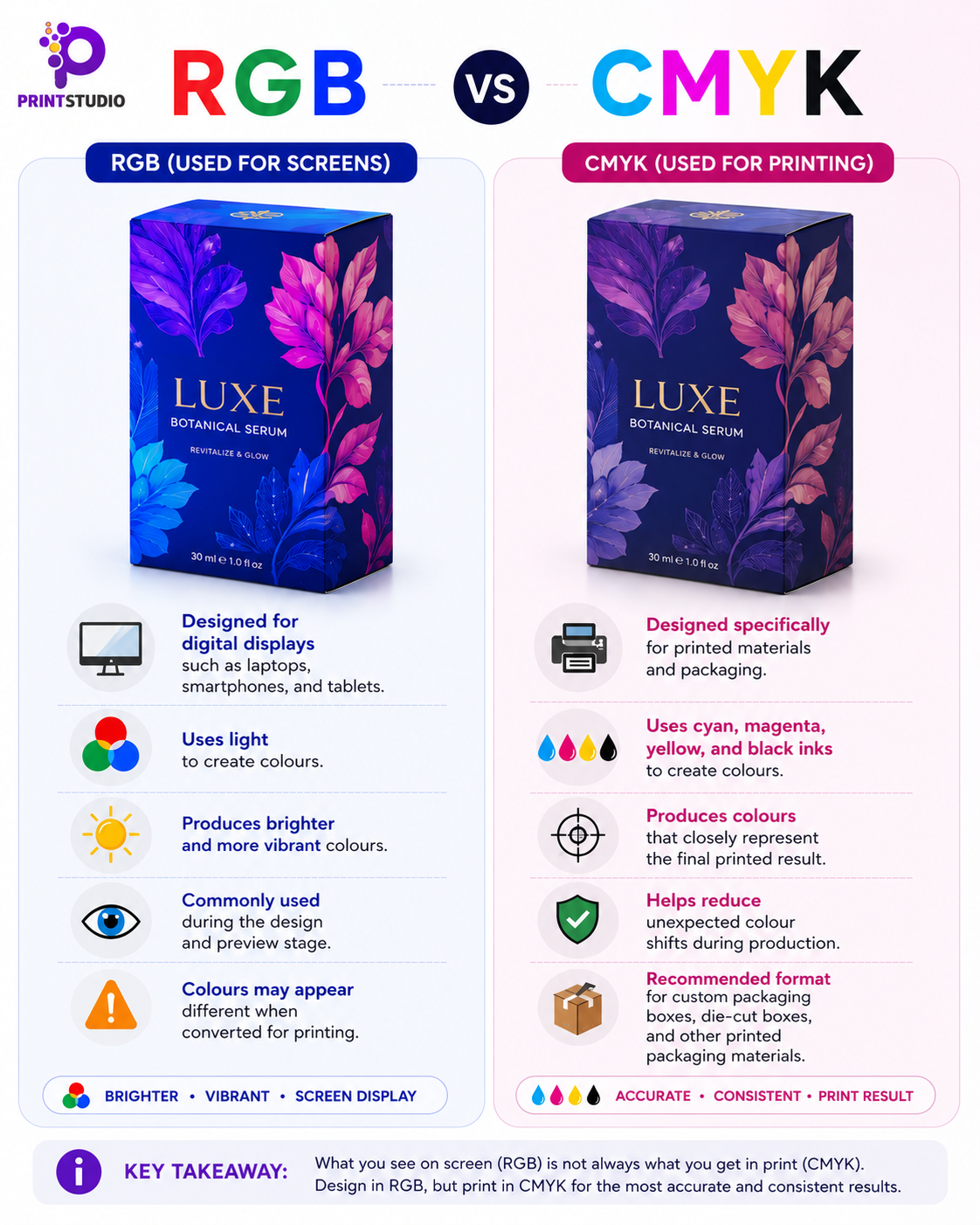
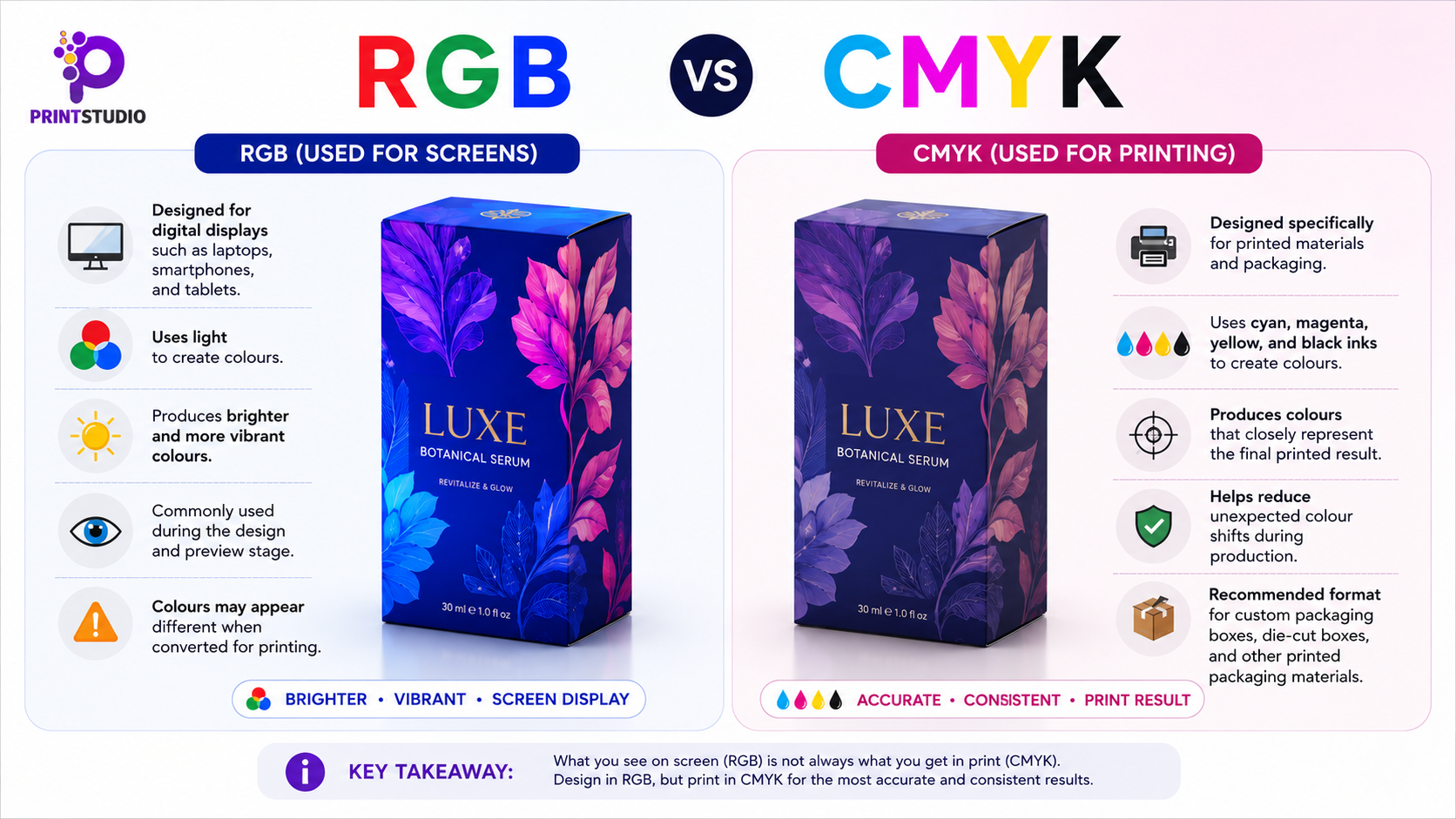
One of the biggest reasons packaging changes after printing is the difference between RGB and CMYK colour systems. RGB is used for screens such as computers, tablets, and smartphones. CMYK is used for printing. Colours displayed in RGB often appear brighter and more vibrant because screens produce light directly. Printing uses ink, which creates colour differently.
Many SMEs design their packaging in RGB because it looks attractive during the design stage. However, there are important differences between RGB and CMYK that business owners should understand before printing:
RGB (Used for Screens)
- Designed for digital displays such as laptops, smartphones, and tablets.
- Uses light to create colours.
- Produces brighter and more vibrant colours.
- Commonly used during the design and preview stage.
- Colours may appear different when converted for printing.
CMYK (Used for Printing)
- Designed specifically for printed materials and packaging.
- Uses cyan, magenta, yellow, and black inks to create colours.
- Produces colours that closely represent the final printed result.
- Helps reduce unexpected colour shifts during production.
- Recommended format for custom packaging boxes, die-cut boxes, and other printed packaging materials.
Some colours, such as bright blues, vivid greens, fluorescent oranges, and certain gradients, can be difficult to reproduce exactly when converting from RGB to CMYK. Dark colours may also print differently than expected. While most printers can convert RGB files into CMYK, the final result may not match what appeared on screen. This is why the key to good quality printing starts long before production begins. Preparing artwork correctly and reviewing it through a digital mockup allows businesses to evaluate branding, colour expectations, logo placement, and overall visual presentation before committing to print.
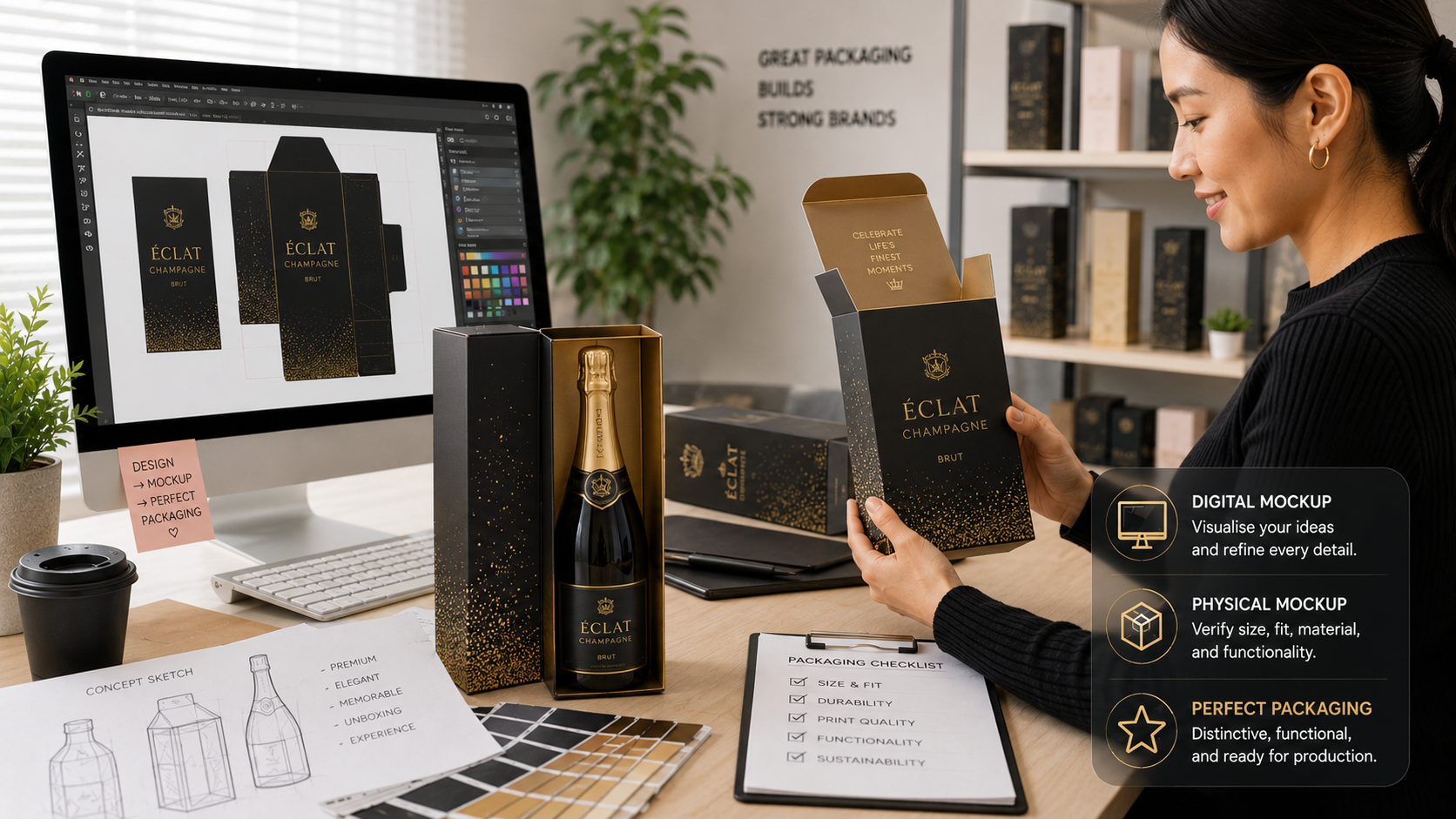
Unique packaging design also plays an important role in helping brands stand out in Singapore’s competitive market. A custom packaging box can enhance shelf appeal, strengthen brand identity, and create a memorable unboxing experience. However, creative designs must also be practical. Digital mockups help visualise packaging concepts, while physical mockups verify size, product fit, durability, and usability. Using both allows businesses to create packaging that is distinctive, functional, and ready for production.
How 5Estrient Used Mockups Before Production
5Estrient, a fitness and wellness brand, needed custom packaging for a range of products, including yoga balls, fitness combo sets, active series equipment, and push-up stands. The company wanted packaging that looked professional, reflected its branding, and supported product launches without requiring large production quantities.
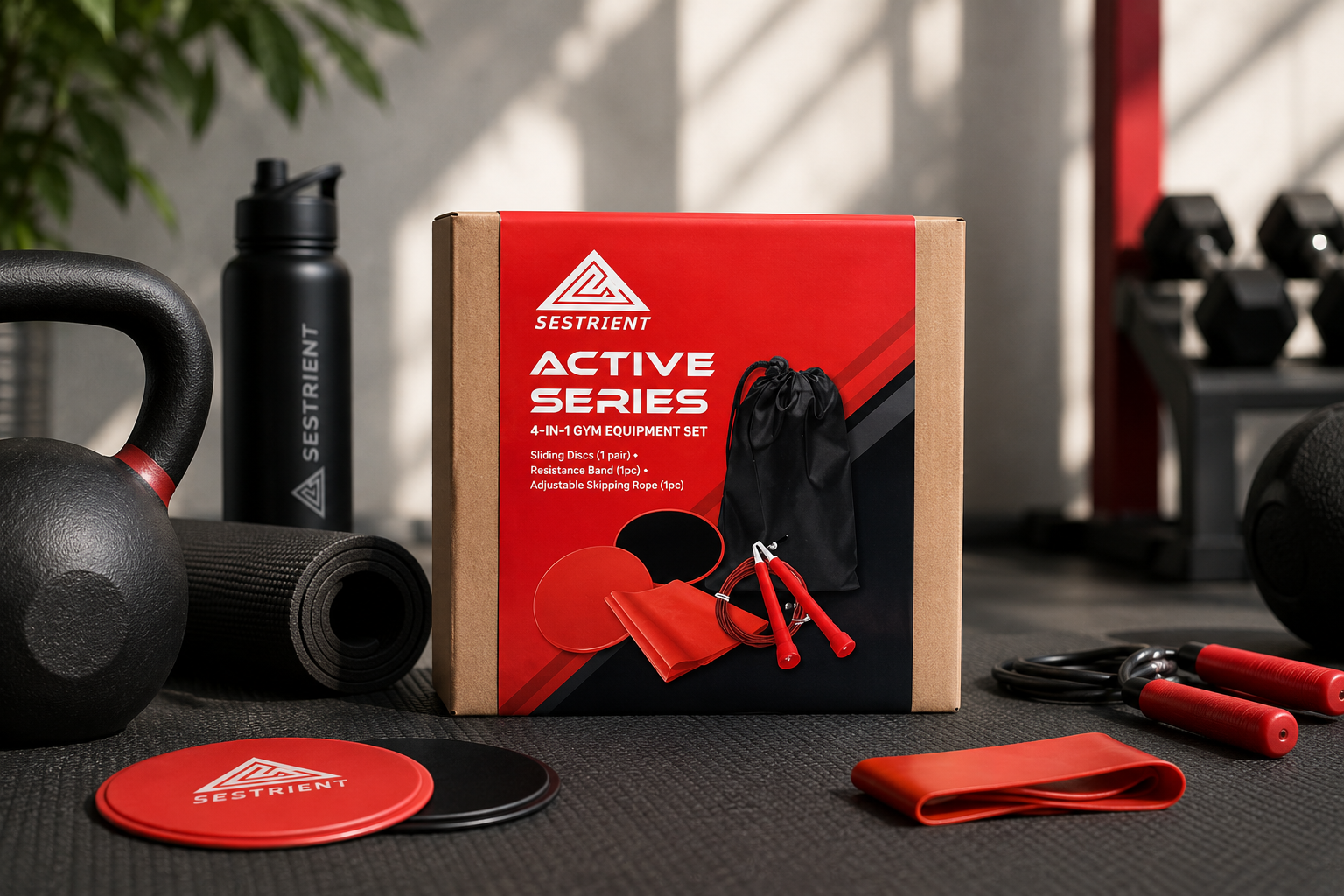
One challenge was visualising how the final packaging would look before committing to printing. Like many growing businesses, 5Estrient needed confidence that the artwork, box structure, and overall presentation would match their expectations. They also wanted to avoid unnecessary inventory and minimise upfront costs while maintaining a professional appearance. Since the products varied in size and shape, ensuring the packaging functioned properly was equally important.
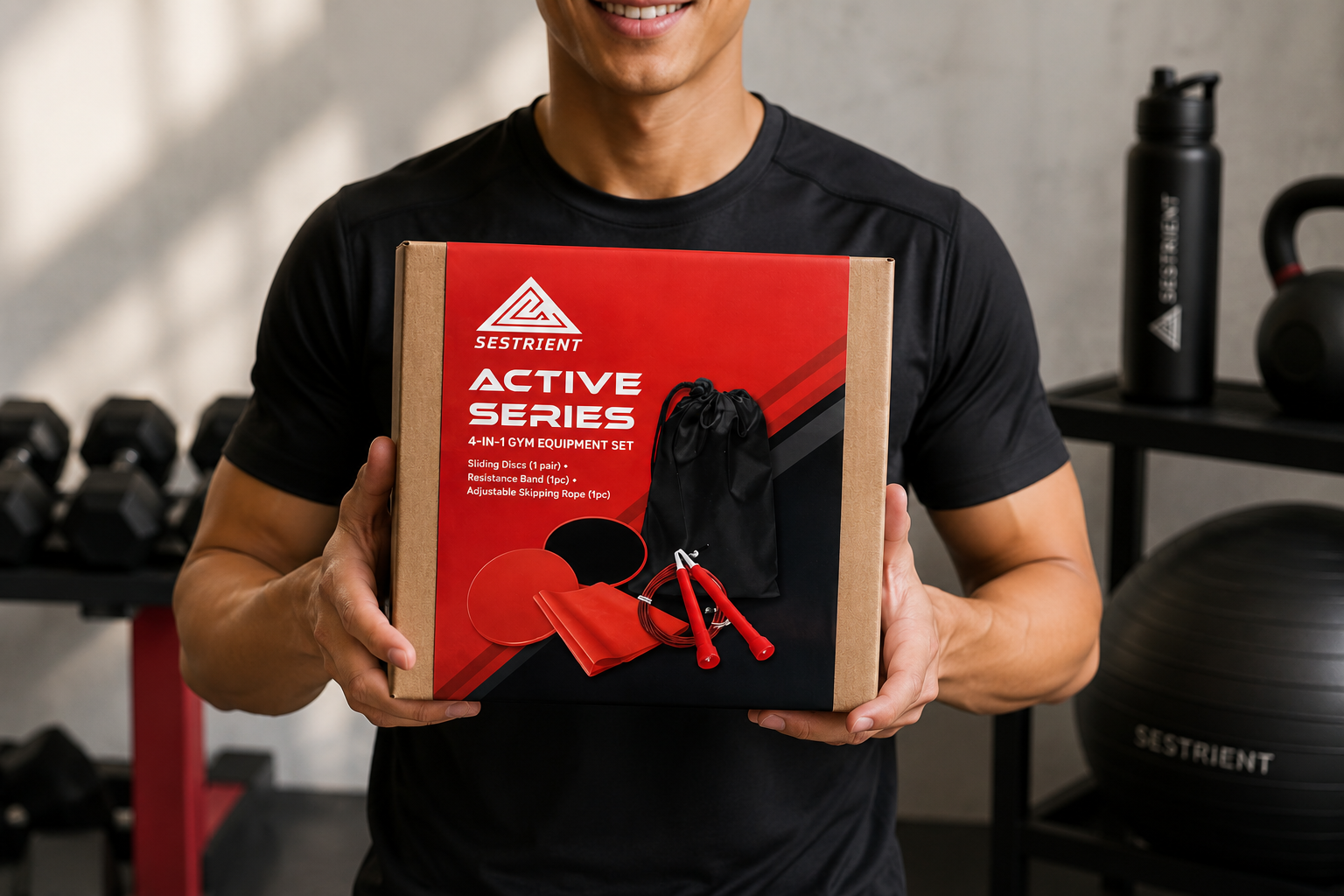
Printstudio worked closely with the team to create customised box designs, develop realistic digital mockups for approval, source suitable box materials, and produce small-batch packaging runs of only ten units per design. The digital mockups helped the team review branding, graphics, and overall presentation before production. Physical samples then allowed them to evaluate box dimensions, product fit, handling, and usability. The team appreciated being able to see and test the packaging before committing to larger quantities. As a result, 5Estrient received professional custom packaging that strengthened its brand image, fit its budget, and allowed products to be launched confidently without overstocking. The project demonstrated how unique packaging design, supported by both digital and physical mockups, can help businesses make better decisions before production.
Closing
Packaging design is more than creating something attractive on a screen. It involves colour accuracy, structural functionality, material selection, customer experience, and brand presentation. Even small differences between digital files and printed results can influence how customers perceive a product.
This is why businesses should not rely solely on artwork approvals. A digital mockup helps verify branding, layout, colour expectations, and visual appeal before production. A physical mockup helps verify size, material, product fit, durability, and user experience. Together, they provide a more complete understanding of how the final packaging will perform. They also give businesses the confidence to explore unique packaging designs that can differentiate their products in a crowded marketplace.