The Q4 Print Kit: Everything Singapore SMEs Need for Christmas, Year-End Sales and Chinese New Year
Q4 is more than the final quarter of the year. In Singapore and many other markets, Q4 is typically the most commercially important period because it includes peak consumer spending seasons, major retail campaigns, and the transition into the new year planning cycle. It is the period when Christmas campaigns, year-end promotions, and Chinese New Year preparations in many Asian markets begin to overlap. Customers are already thinking about festive shopping, gifting, promotions and celebrations, while businesses are planning how to capture attention across several important sales periods. Starting your print campaign early gives you more time to plan the right materials, coordinate designs and avoid last-minute production pressure.

The opportunity is significant. Singapore’s retail sales grew 2.7% year-on-year in December 2025, with an estimated total retail sales value of $4.8 billion. The fourth quarter of 2025 also recorded 4.4% year-on-year retail sales growth, the highest quarterly growth since the first quarter of 2023. For businesses competing during this period, festive marketing deserves the same level of planning as inventory, promotions and staffing.
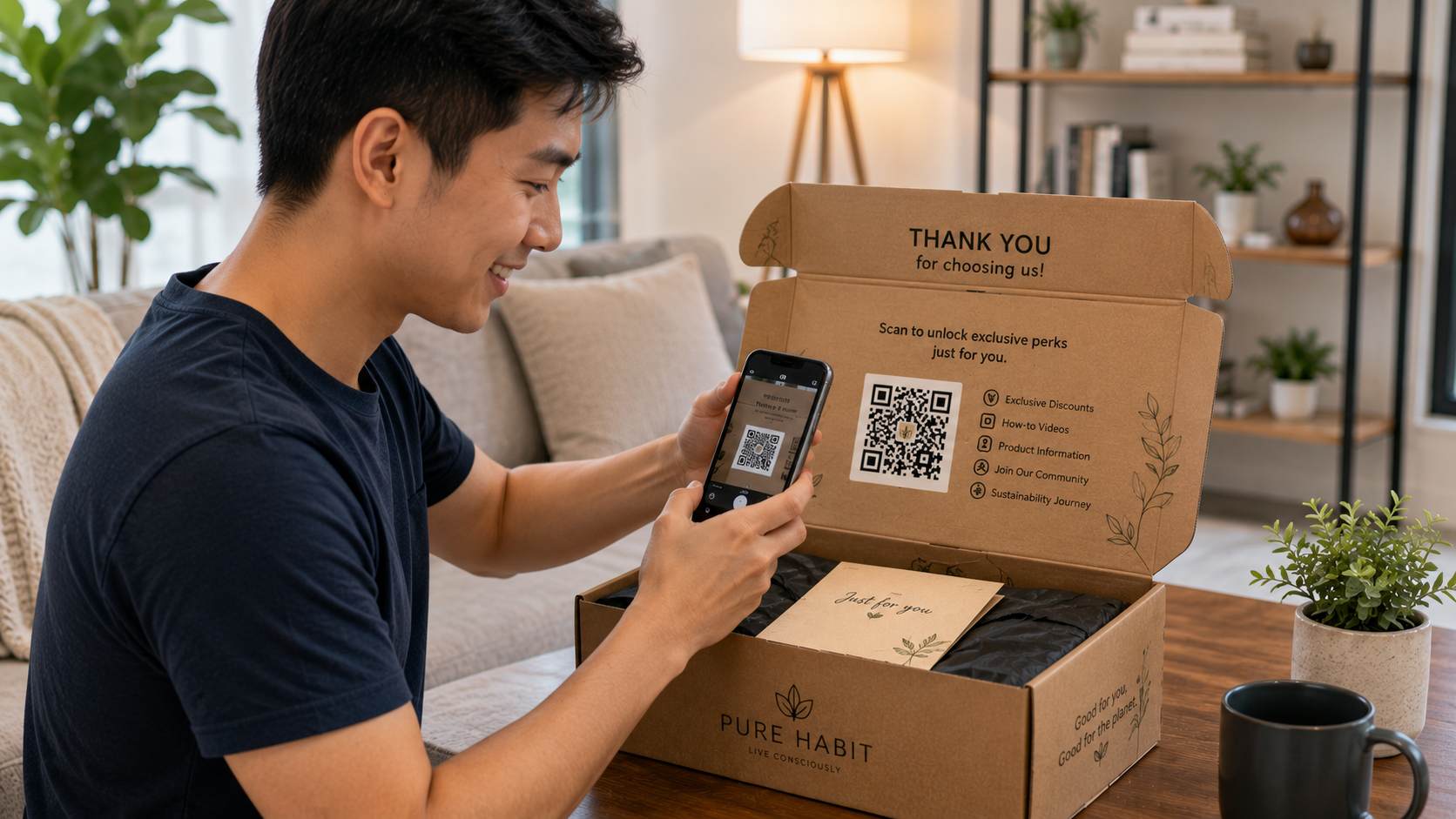
The retail environment is also becoming increasingly digital. In May 2026, Enterprise Singapore and IMDA launched a refreshed Retail Industry Digital Plan designed to guide over 2,000 SME retailers in their digital transformation efforts. The plan focuses on helping retailers address business challenges across customer experience, operations and corporate functions. For SMEs, this creates an important opportunity to connect digital campaigns with physical customer touchpoints. A QR code on a flyer, festive package or gift can send customers directly to an online promotion, while printed materials can reinforce the campaign customers see on their phones.
When Should You Start Your Q4 Marketing Planning?
A practical Q4 campaign should start with planning before production. For Singapore businesses and companies targeting Christmas, year-end sales and Chinese New Year, a useful timeline is September to early October for planning, October to November for Christmas production, November to December for year-end promotions, and December to January for Chinese New Year preparation. The exact dates will depend on your business and campaign, but the principle is that design and production should happen before the campaign becomes urgent.
September to Early October: Plan the Campaign
Start by deciding what your Q4 campaign needs to achieve. Are you trying to increase retail traffic, promote festive bundles, thank existing customers, clear inventory, attract corporate clients, or prepare for Chinese New Year? Once the objective is clear, identify the physical touchpoints that support it.
This is also the right time to prepare Corporate Printing Essentials, such as calendars, corporate stationery, and corporate gifts. These items can support year-end appreciation campaigns and give businesses more opportunities to maintain relationships with customers, employees, and business partners.
October to November: Prepare Christmas Materials
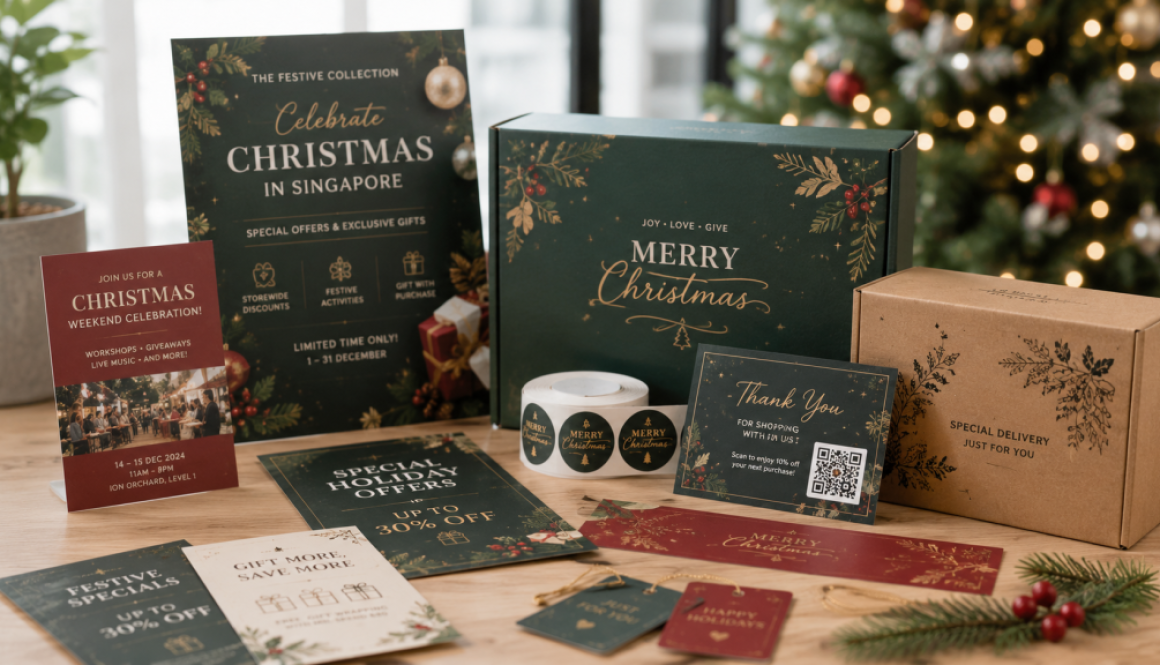
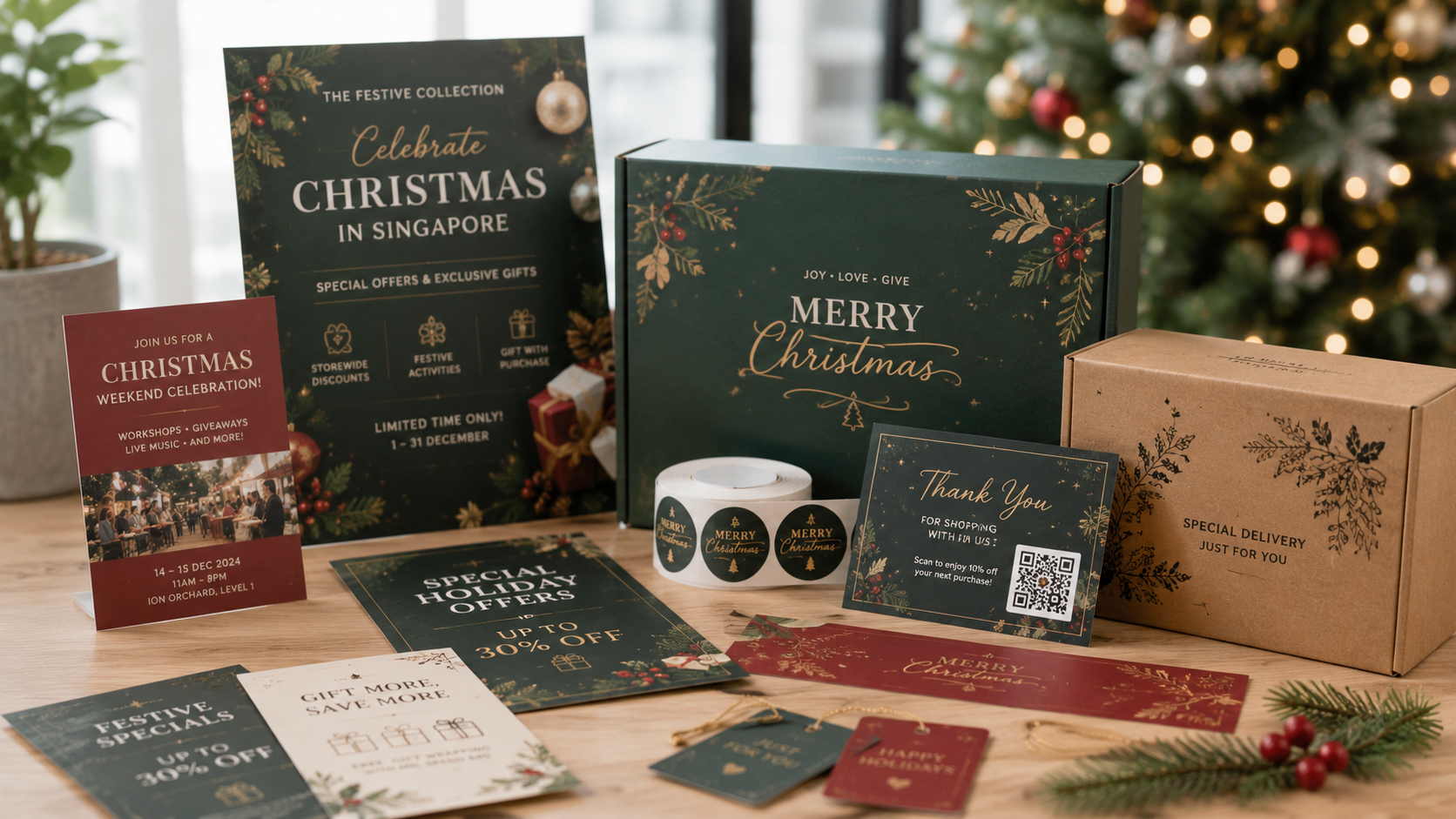
Christmas campaigns usually require materials that create visibility quickly. Event and Promotional Materials such as banners, posters, and flyers can help promote festive offers, in-store activities, and special events.
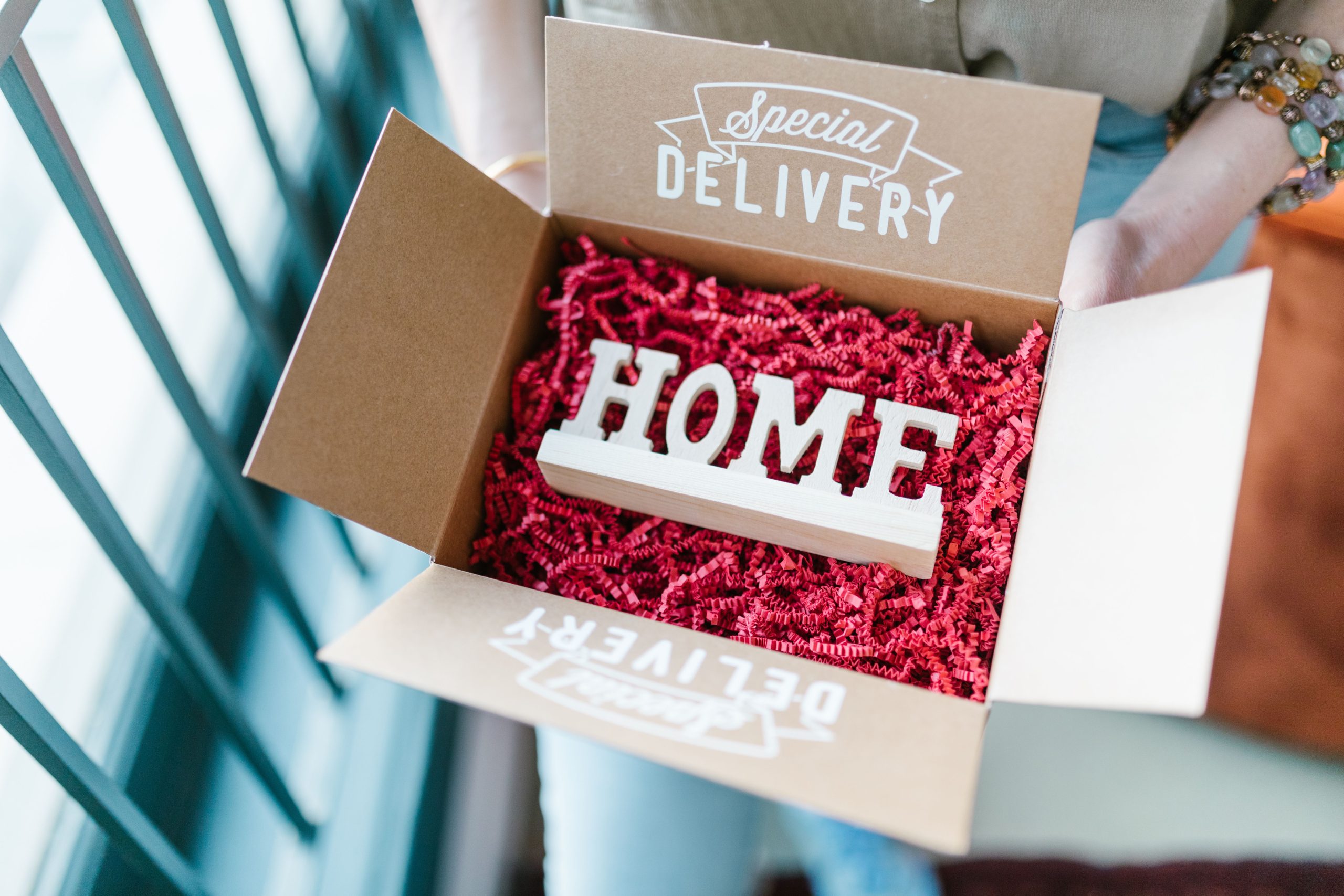
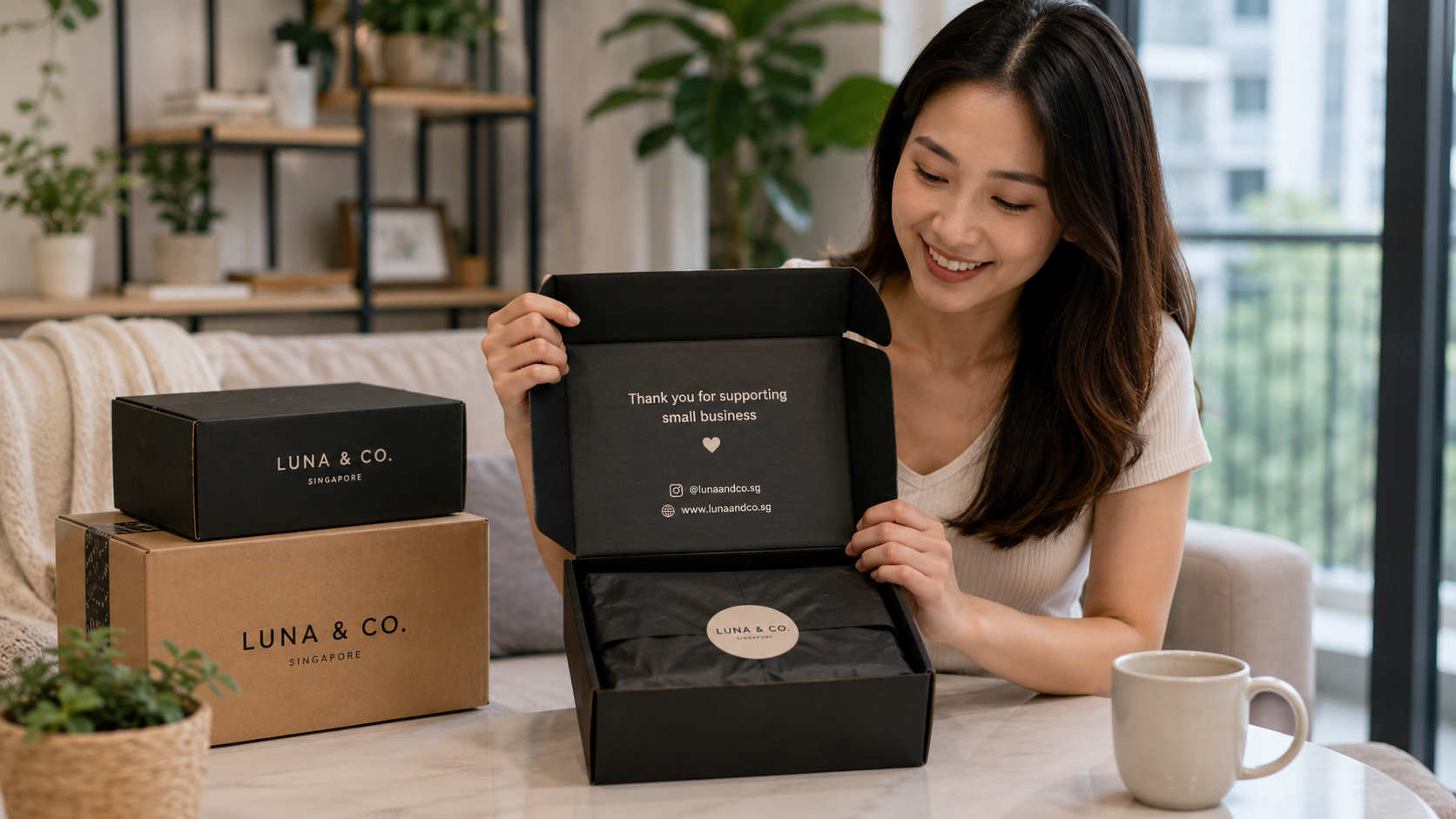
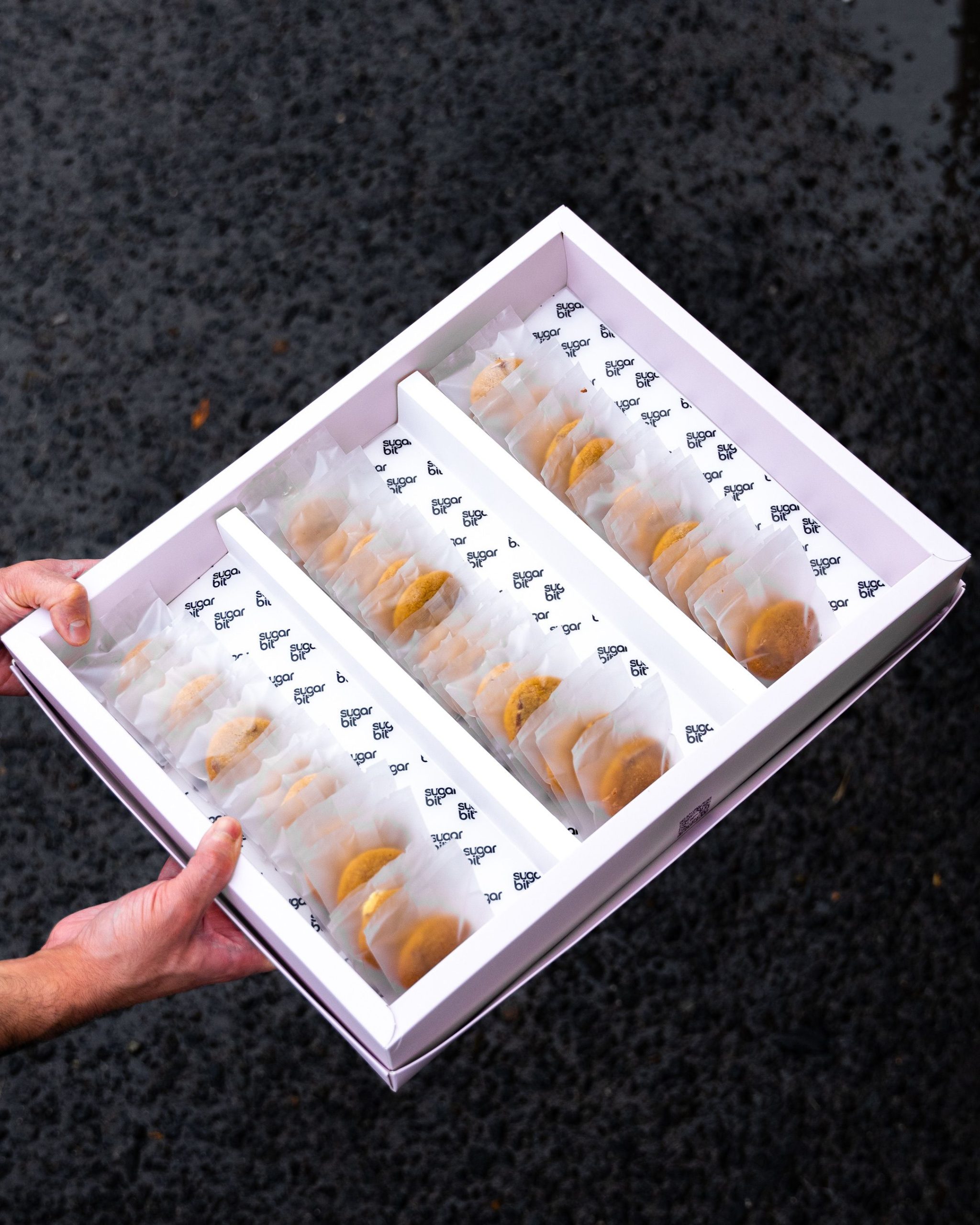
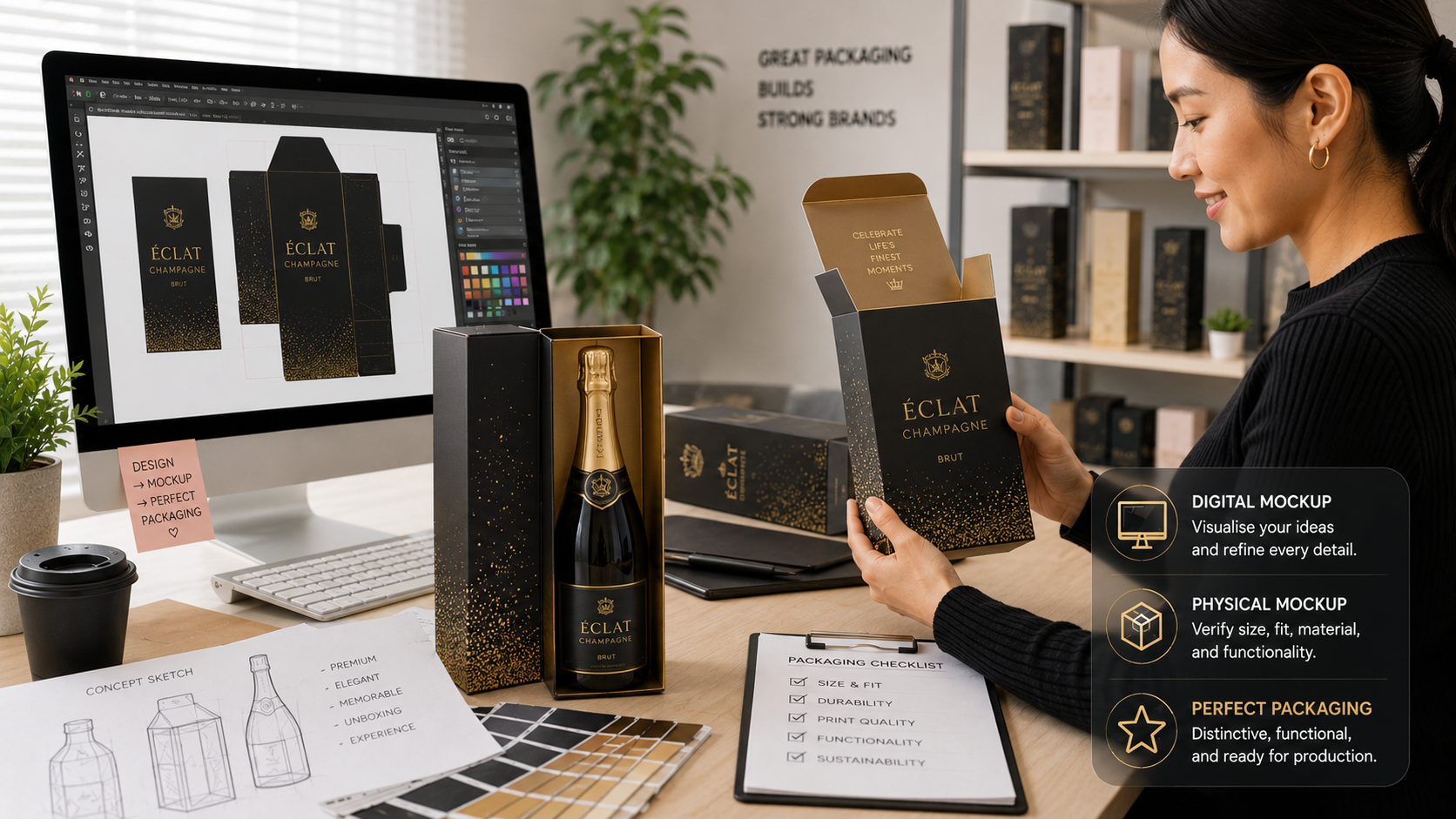
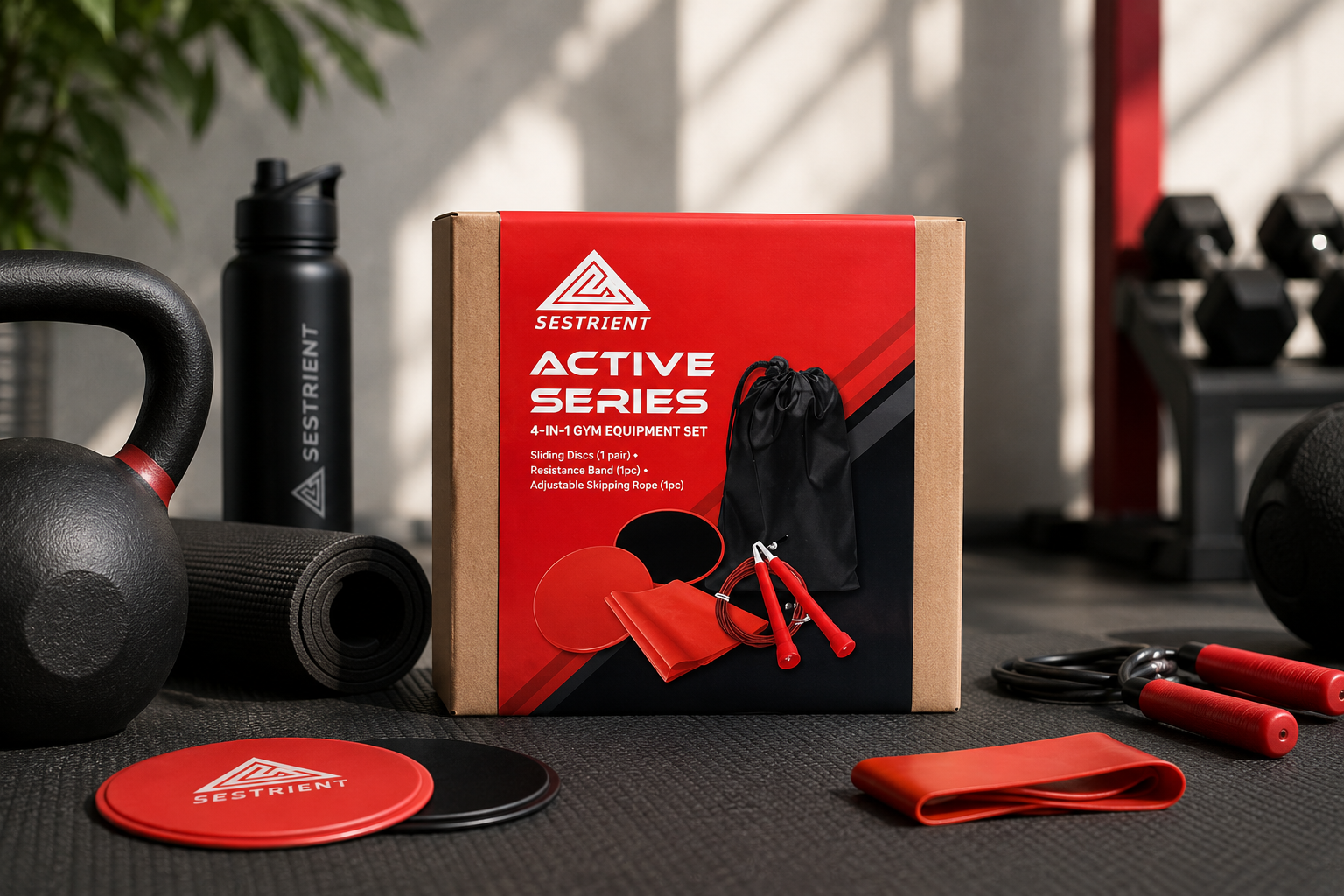
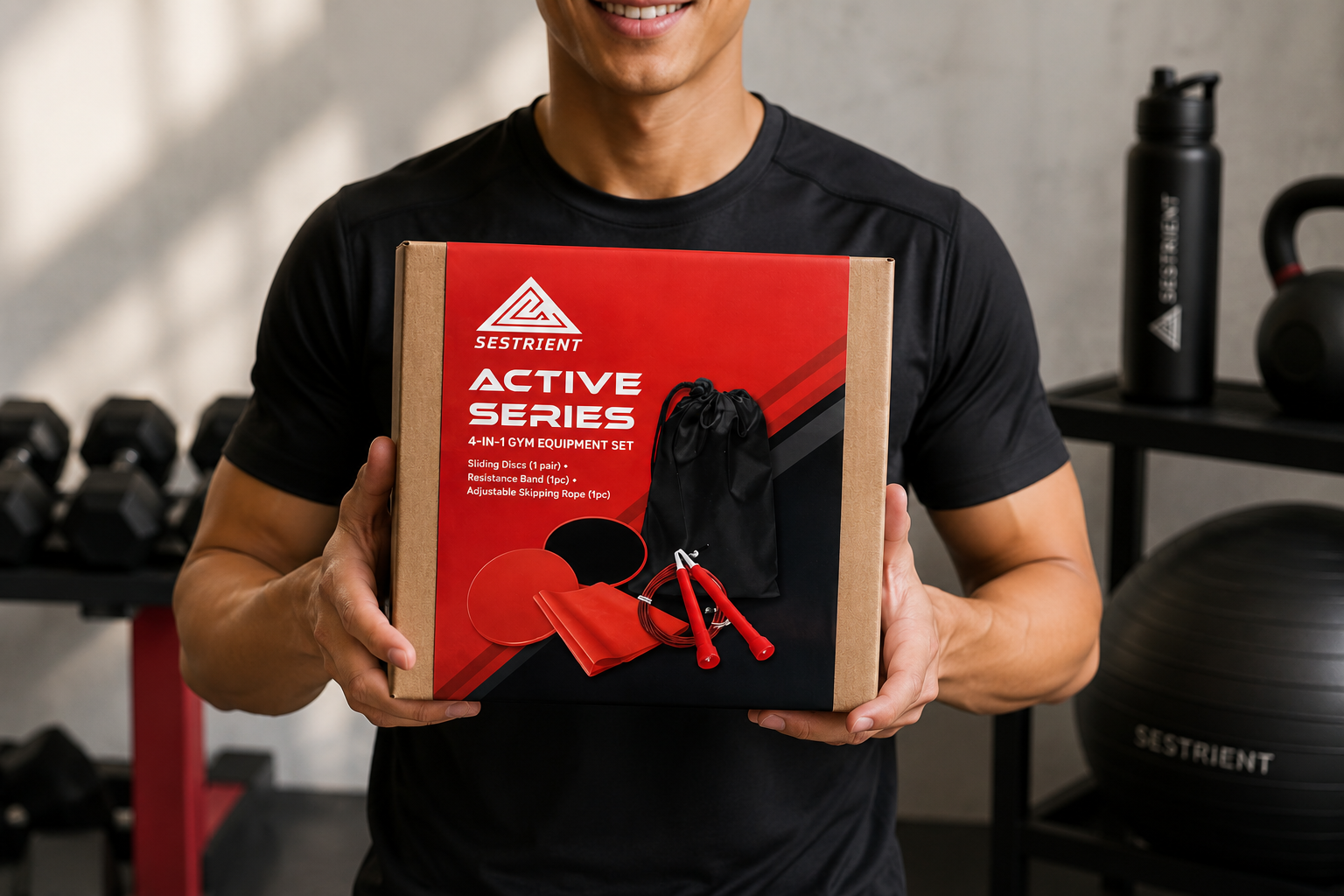
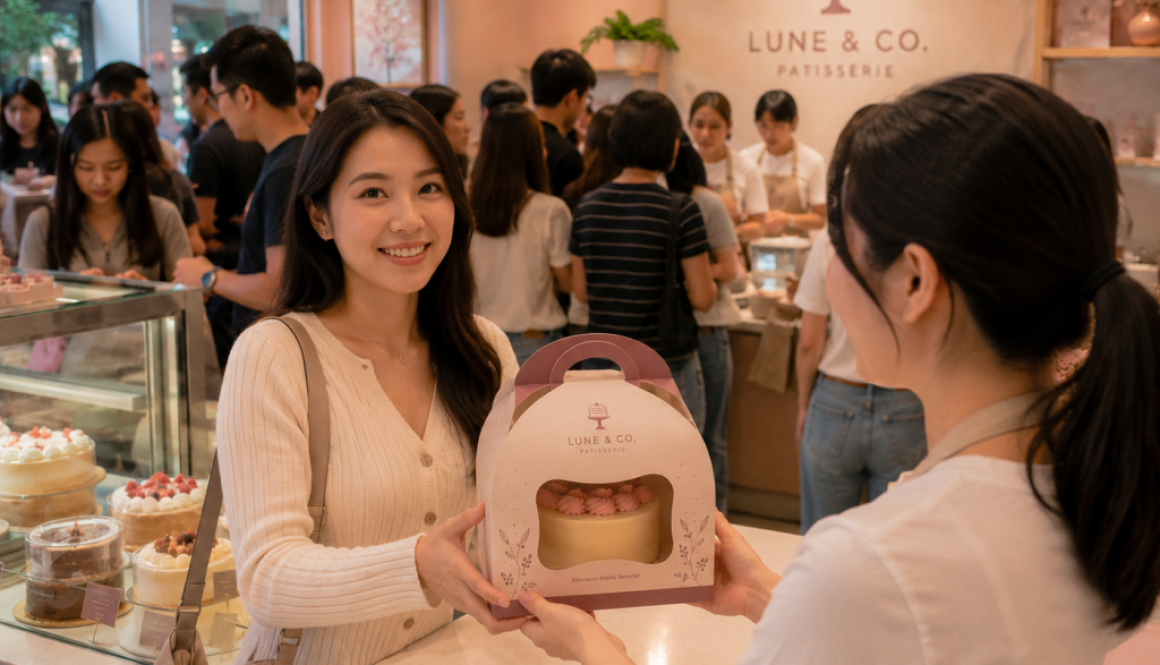
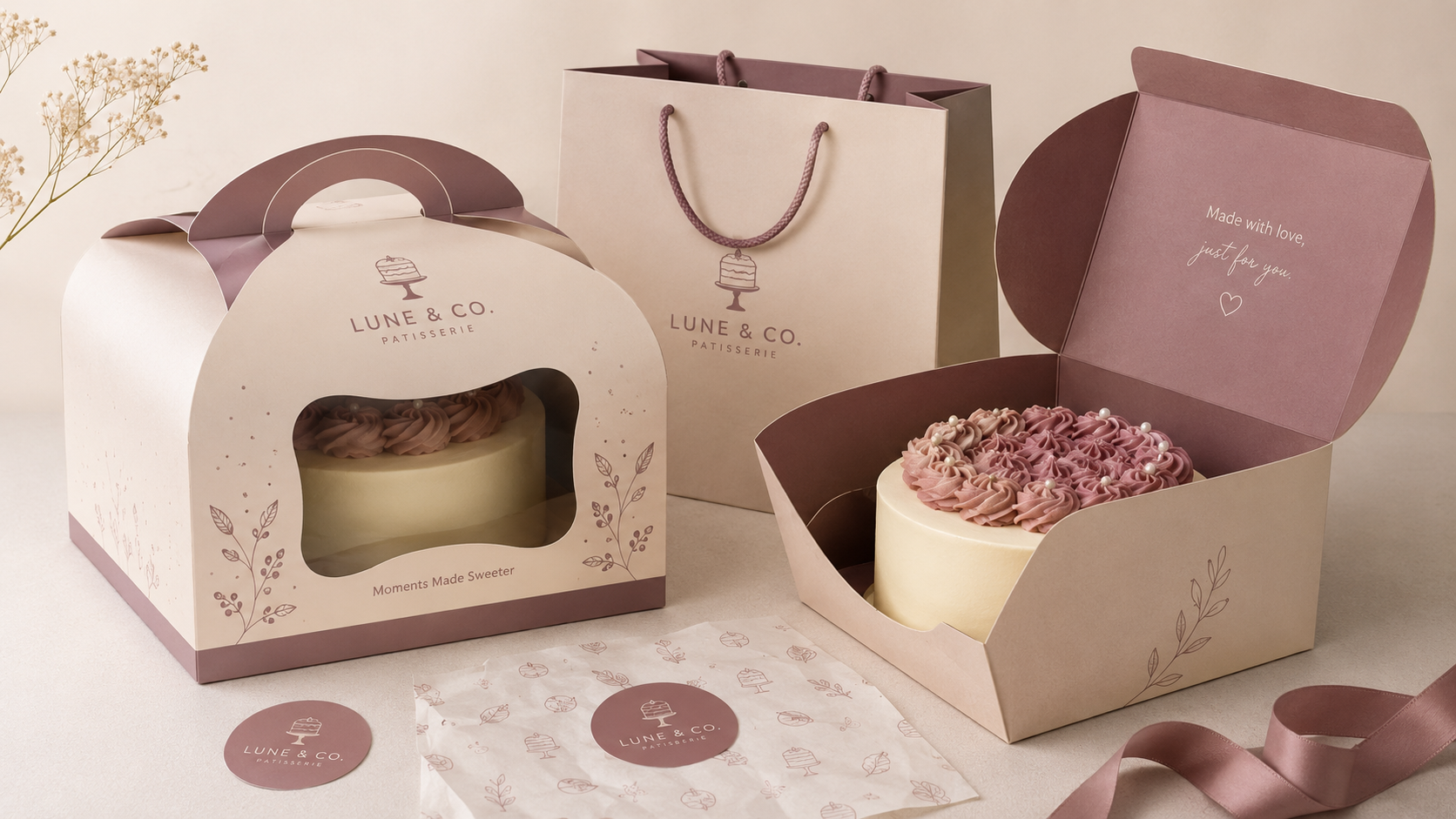
For e-commerce and retail businesses, Packaging and Customer Experience Materials can include custom boxes, stickers, sleeves, gift packaging, promotional cards, and QR-code inserts. These materials can turn a normal purchase into a more memorable festive interaction while giving customers an easy way to discover another promotion.
November to December: Push Year-End Sales
Year-end campaigns often have a different purpose from Christmas promotions. Businesses may want to clear inventory, promote limited-time offers, reward customers, or encourage another purchase before the year ends.
This is where sales and conversion materials become useful. Flyers, promotional cards, vouchers, stickers, posters, and QR-enabled materials can direct customers toward specific offers. Instead of printing disconnected materials, businesses can use the same campaign concept, colours and messaging across every touchpoint.
December to January: Prepare for Chinese New Year
Chinese New Year should be planned before the Christmas campaign finishes. Retailers, F&B businesses, e-commerce brands and corporate teams may need festive packaging, red packets, gift packaging, greeting cards, stickers, promotional materials and corporate gifts.
Creating these materials early gives your team time to review artwork, test designs and organise production. It also allows your brand identity to remain consistent while adapting the visual style for the Lunar New Year season.

A Simple Q4 Print Kit: 6 Trending Gift Ideas in Singapore
These gift ideas reflect current gifting and lifestyle trends relevant to Singapore businesses during the Christmas, New Year, and Chinese New Year seasons. The right choice depends on who you are gifting to, the occasion, and the type of relationship you want to build with the recipient.
1. Mini Christmas Tree
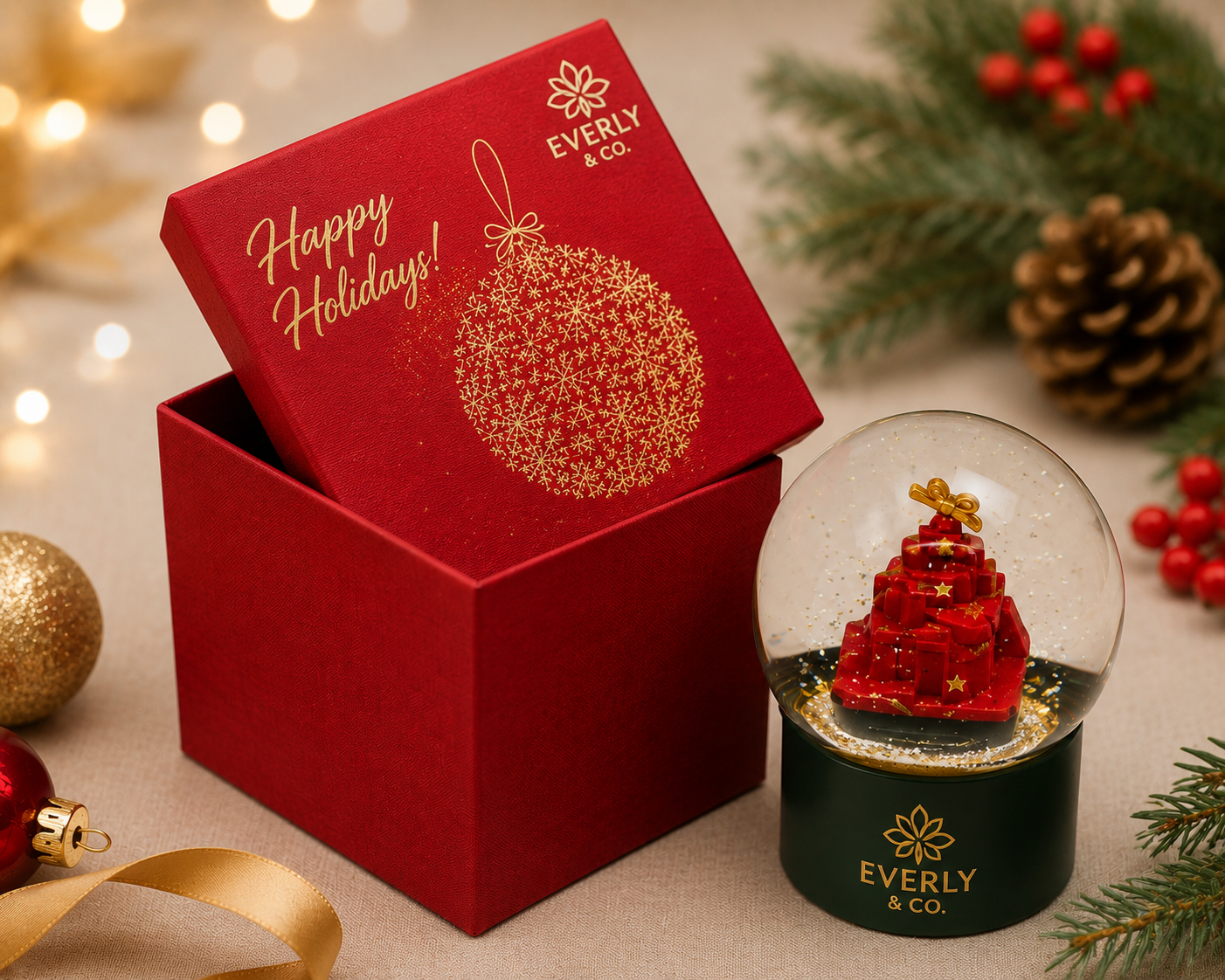
Christmas is strongly associated with Christmas trees and festive decorations. A mini Christmas tree gives recipients a physical reminder of the season that they can display at home or at work. For businesses, it also creates an opportunity to keep the brand visible throughout the festive period.
Suitable For
Small businesses, chain businesses
Event: Christmas
2. Pickleball Gifts
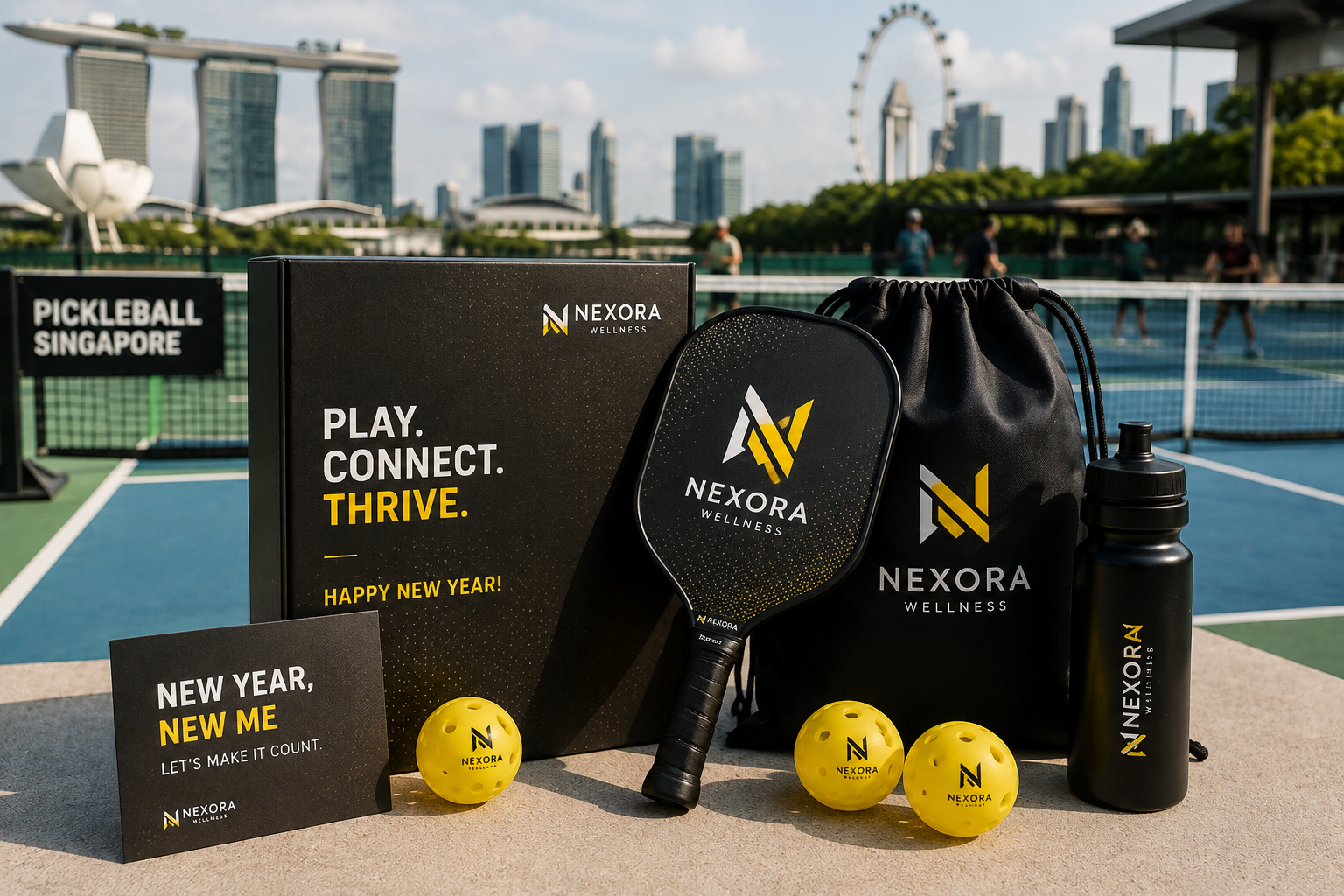
The “New Year, New Me” mindset encourages people to exercise, become healthier, and try new activities, and pickleball is also gaining strong attention in Singapore, with Google Trends data showing searches for the keyword “pickleball” rising by more than 60% over the past year in Singapore, making it a timely gift idea for businesses looking to connect with current lifestyle and wellness interests; it fits the New Year mindset because it combines physical activity with social interaction, and businesses can use customised pickleball paddles, branded sets, balls, or event kits as a fresh option for wellness programmes, team-building activities, customer engagement, and corporate events.
Suitable For
Chain businesses, corporate
Event: New Year
3. Blind Box Gifts
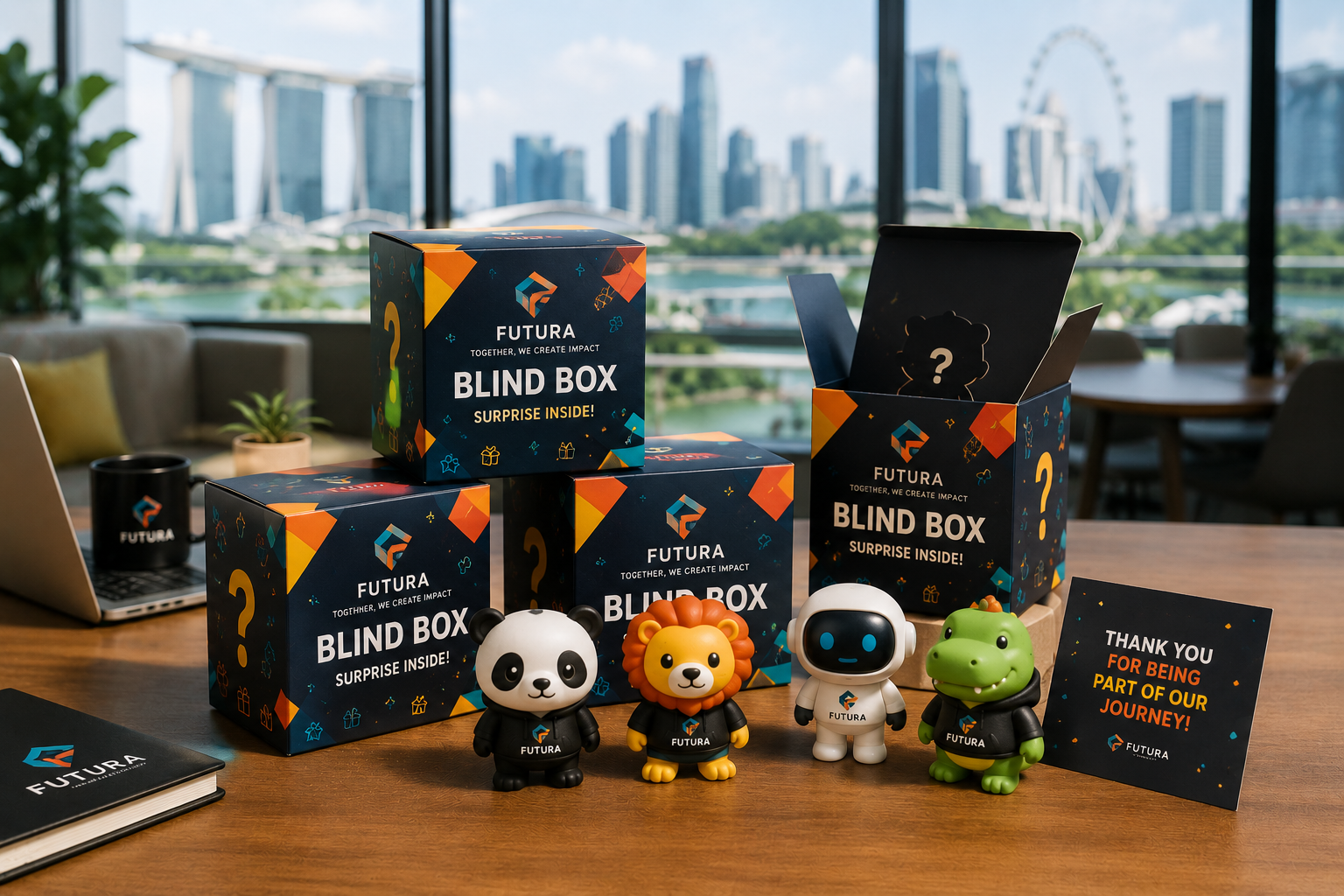
Blind boxes turn a simple corporate gift into an experience. The surprise of discovering a randomly selected item creates excitement and encourages recipients to interact with the campaign. The popularity of collectible products such as Labubu has also helped make unboxing part of the fun, with people sharing videos of themselves opening mystery packages and revealing what they received. Businesses can use different characters, designs, or limited-edition items to create the same sense of anticipation, making the gift more collectible and potentially more shareable on social media.
Suitable For
Chain businesses, corporate
Event: Christmas, New Year
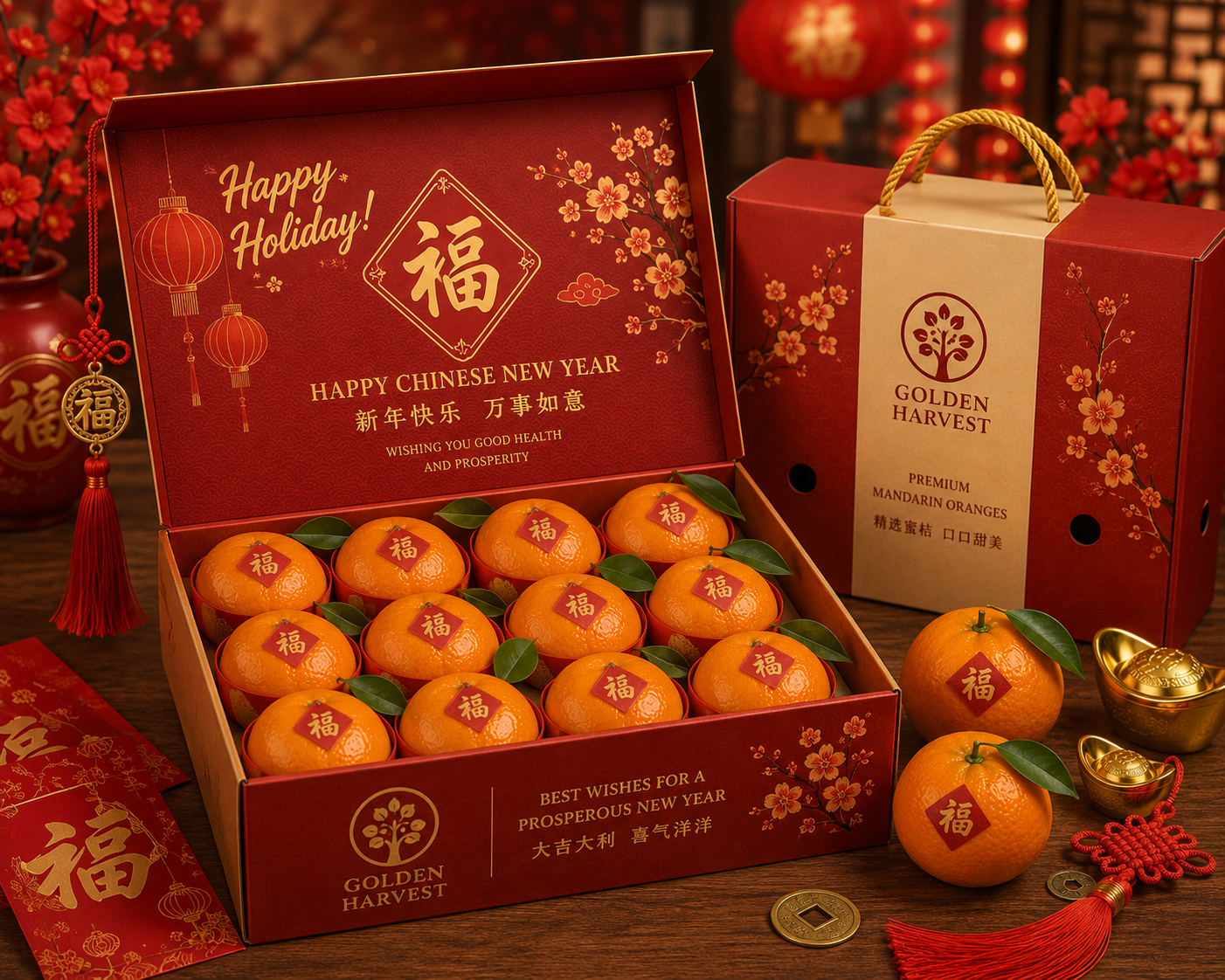
4. Mandarin Orange Gift Sets
Mandarin oranges are closely associated with prosperity and good fortune during Chinese New Year. They are a familiar and culturally relevant choice for festive gifting, while a branded presentation can help businesses connect a traditional gift with their own brand identity.
Suitable For
Small businesses, chain businesses, corporate
Event: Chinese New Year
5. Tea Sets
Tea carries associations with respect and hospitality, making it a natural choice for Chinese New Year relationship-building. A premium tea set can be particularly appropriate when a business wants to show appreciation to senior clients, business partners, or other important contacts.
Suitable For
Corporate
Event: Chinese New Year

6. Personalised Corporate Gifts
Personalised gifts can make festive gifting feel more thoughtful and intentional. Adding company branding, a recipient’s name, or a customised message gives businesses an opportunity to strengthen relationships while making the gift more memorable.
Suitable For
Corporate, chain businesses
Event: Christmas, New Year, Chinese New Year

One Campaign, One Printing Partner
A business may order flyers from one supplier, corporate gifts from another, packaging from a third, and banners from somewhere else. Each supplier may have different artwork requirements, production schedules, minimum quantities, and delivery arrangements. Managing everything separately creates more opportunities for delays and inconsistencies.
PrintStudio takes a different approach by supporting the campaign across multiple printing requirements. With more than 13 years of printing experience, our team can help businesses move from consultation and design through pre-press, test printing, mass production, finishing, quality control, bundling, and delivery. This means the conversation can focus on the campaign as a whole rather than treating every printed item as a separate project.

This approach is particularly useful for corporate gifts. A good corporate gift should represent the company giving it. PrintStudio helps businesses think beyond simply adding a logo to an existing product. Product selection, branding, printing, finishing, packaging and presentation can work together to create a more complete branded experience. For businesses preparing Q4 campaigns, this means one partner can help coordinate promotional prints, packaging, corporate gifts, stationery and event materials around the same campaign direction.
Unlike many competitors where communication can feel transactional or rigid, our team is known for being approachable, responsive and genuinely helpful throughout the process. Whether it is a first-time SME or a large organisation running a complex campaign, our staff take the time to explain options clearly, suggest practical improvements, and guide clients through decisions without pressure. This makes the entire printing process smoother and less stressful, especially during the busy Q4 period.

Why Work With One Printing Partner?
- Better campaign consistency
Your colours, artwork and brand messaging can be managed across different printed materials. - Simpler coordination
You have fewer suppliers, production schedules and delivery arrangements to manage. - More practical planning
Your printing partner can help identify which materials are actually needed instead of encouraging you to print everything. - A complete campaign ecosystem
Flyers can lead customers to QR promotions. Packaging can reinforce the same message. Corporate gifts can continue the brand experience. Event materials can bring the campaign into physical spaces.
PrintStudio aims to provide more value than simply selling individual products. While some printing services in Singapore may focus only on specific product categories or operate with a more transactional service style, PrintStudio focuses on building long-term relationships through helpful guidance, clear communication, and friendly support. This allows businesses to connect multiple printing requirements into one coordinated and well-supported campaign.
Let’s Make Your Q4 Printing Easier
A successful festive campaign starts with giving each item a clear purpose. Banners attract attention, flyers communicate offers, packaging improves the customer experience, QR codes encourage further engagement, and corporate gifts strengthen relationships. When these elements work together, your Q4 campaign becomes more consistent and memorable.
For Singapore SMEs, printed materials can also support digital marketing by connecting customers to promotions, product information, loyalty programmes, and other online content through QR codes. With the refreshed Retail Industry Digital Plan encouraging retailers to strengthen digital capabilities and customer experiences, combining physical and digital touchpoints can help businesses make more of their festive campaigns.
The best time to prepare your Q4 print campaign is before Christmas, year-end sales and Chinese New Year become urgent. Start by defining your objectives, planning your timeline, choosing the right products, and coordinating your printing requirements with a reliable partner. What are you preparing for first this Q4: Christmas, year-end sales, or Chinese New Year?
Comment “Q4 GIFT” and tell us which one interests you most: Mini Christmas Tree, Pickleball Gift, Blind Box, Mandarin Orange Gift Set, Tea Set, or Personalised Corporate Gift. We’ll create a free mockup of your chosen gift to help you visualise your idea!
Q4 Print Kit Quick Summary
- When does Q4 start?
Q4 starts in October and runs through December, covering key festive periods such as Christmas, year-end sales campaigns, and early Chinese New Year preparation. - When should you start your Q4 marketing planning?
You should start planning your Q4 marketing strategy in early September. This gives you enough time to review Q3 performance, set budgets, and develop creative assets before the busy holiday season begins in October. Starting early is especially important if your campaign includes custom packaging, corporate gifts, or large-volume printing, as these require longer production and coordination timelines. - What should a Q4 print kit include?
Corporate printing essentials, event materials, promotional prints, packaging, customer retention materials, and corporate gifts. - Why use one printing partner?
It simplifies coordination and helps maintain consistency across your campaign. - Can printed materials support digital marketing?
Yes. QR codes can connect physical materials with online promotions, product information, reviews, social media, and other digital experiences. - What makes PrintStudio different?
PrintStudio combines printing experience with design, pre-press, test printing, mass production, finishing, quality control, bundling, and delivery. This allows businesses to manage multiple campaign requirements through one printing partner.