What Makes Students Actually Use Your Printed Materials
With Artificial Intelligence taking the lead in this world, many educators are faced with the same problem: Do students still write on paper?
Recent insights show that students still spend significantly more time writing on paper than on digital devices. On average, students spend 143 minutes per week writing with pen and paper, compared to only 57 minutes on digital devices. Even as AI and digital tools continue to grow, writing on paper remains a core part of how students learn, process information, and retain knowledge.

For tuition centres and education businesses in Singapore, this creates a clear opportunity. Printed materials are designed for actual use because they become part of the students’ routine. Instead of being passive marketing, they become active learning tools. Writing pads are not just printed materials; they are used daily for notes, practice, and assignments.
The difference is simple. If students use it, it works. If they ignore it, it does not.
How Writing Pads Helped Richard Math Academy Strengthen Daily Brand Visibility
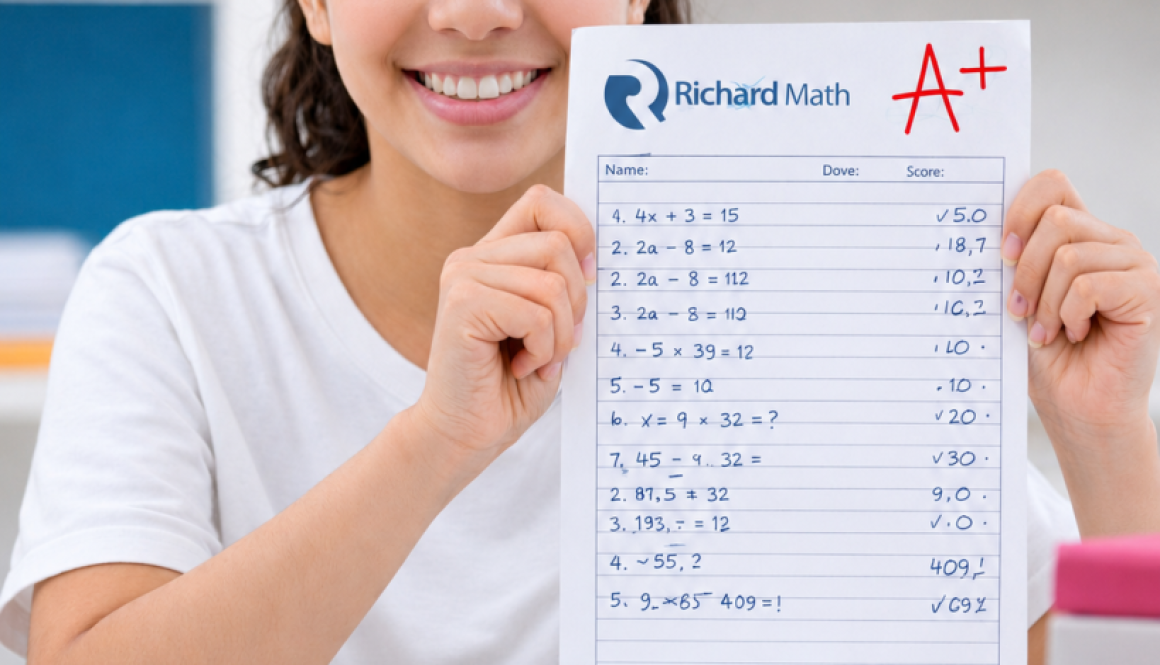
Richard Math Academy wanted to improve the classroom experience while maintaining a consistent brand presence during lessons. Like many tuition centres, they faced a common challenge. Students were using multiple materials, from loose papers to different notebooks, making it difficult to create a structured learning environment.
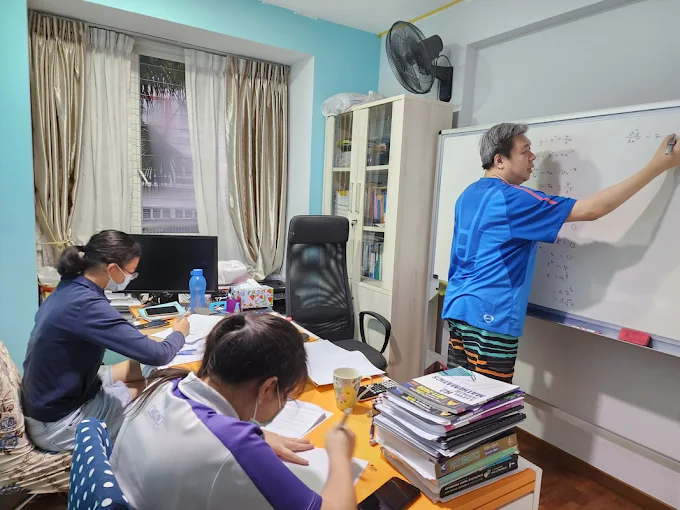
At the same time, traditional marketing tools such as flyers were not effective inside the classroom. Flyers might create awareness, but they do not stay with students during lessons. The academy needed something practical, something that supports learning without feeling like promotion.
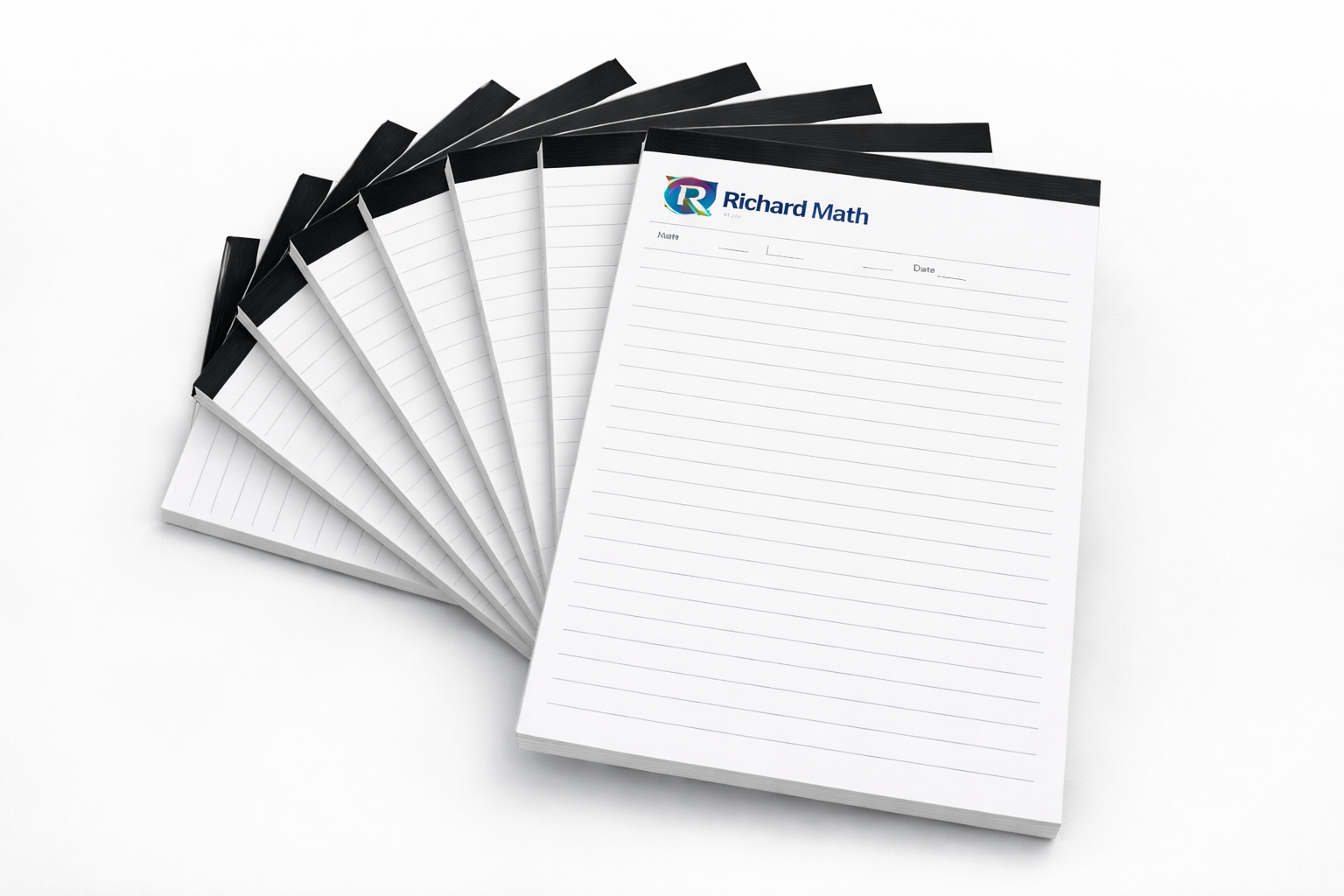
The solution was to introduce custom writing pads designed specifically for daily use. The focus was not on heavy branding, but on usability. The paper had to be smooth for writing. The finishing had to be neat and durable. The size had to be practical for daily handling. Most importantly, the design had to be clear and easy to understand.
Instead of forcing attention, the writing pad allowed the brand to appear naturally. Every time a student wrote notes, completed exercises, or reviewed their work, the academy’s branding was present naturally.
Result
The writing pads are used daily by the students, even outside the centres. It creates consistent exposure to the brand while improving their learning experience. They are brought home, seen by parents, and used repeatedly, turning a simple tool into part of the students’ daily routine.
Unlike flyers that are often discarded, writing pads stay in use for weeks or even months. It can be placed on desks, carried on bags, and used throughout the day, each interaction becomes a natural moment of brand visibility without forcing attention.
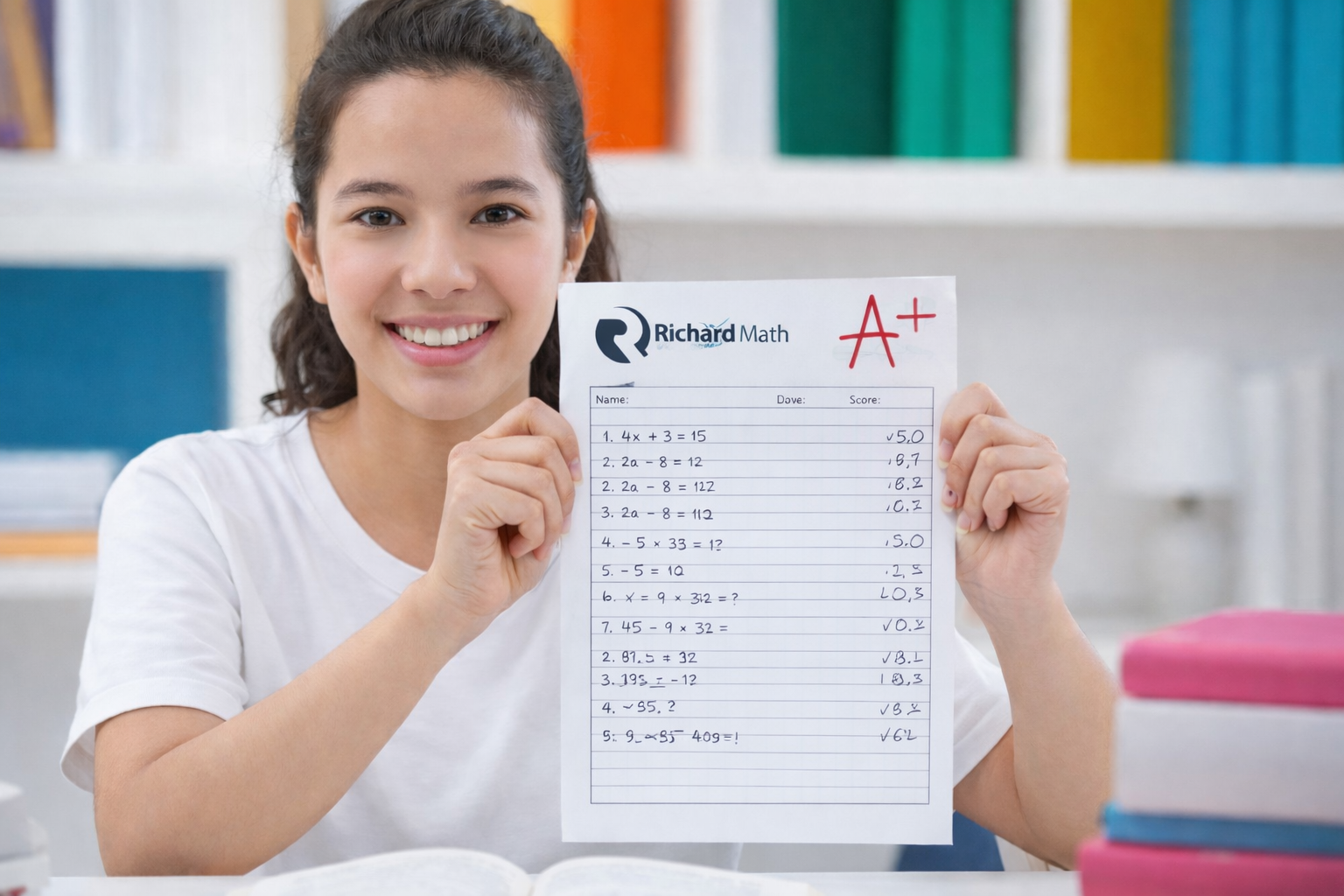
The client feedback reflects this clearly. The academy highlighted the smooth paper, durable finishing, and practical use in class. More importantly, the writing pads solved a common SME challenge by focusing on function first. When a product is genuinely useful, it does not need to compete for attention. It earns it through daily use.
“We engaged them for our writing pad printing, and the quality exceeded expectations. The paper is smooth for students to write on, and the finishing is neat and durable. It’s practical for daily use and also strengthens our branding in class. Very reliable service overall.” – Richard
Closing
One of the leading factors of daily usage is how it can help the user daily. Students do not use printed materials because they look good. They use them because they are useful.
Writing pads work naturally because they are used daily, stay in circulation, and create repeated brand exposure without forcing attention. Over time, they turn into a consistent and reliable brand touchpoint.
Choosing the right tool is important for education businesses in Singapore and any other businesses. With the right design, quality, and usability, writing pads can improve both learning experience and long-term brand visibility.